|
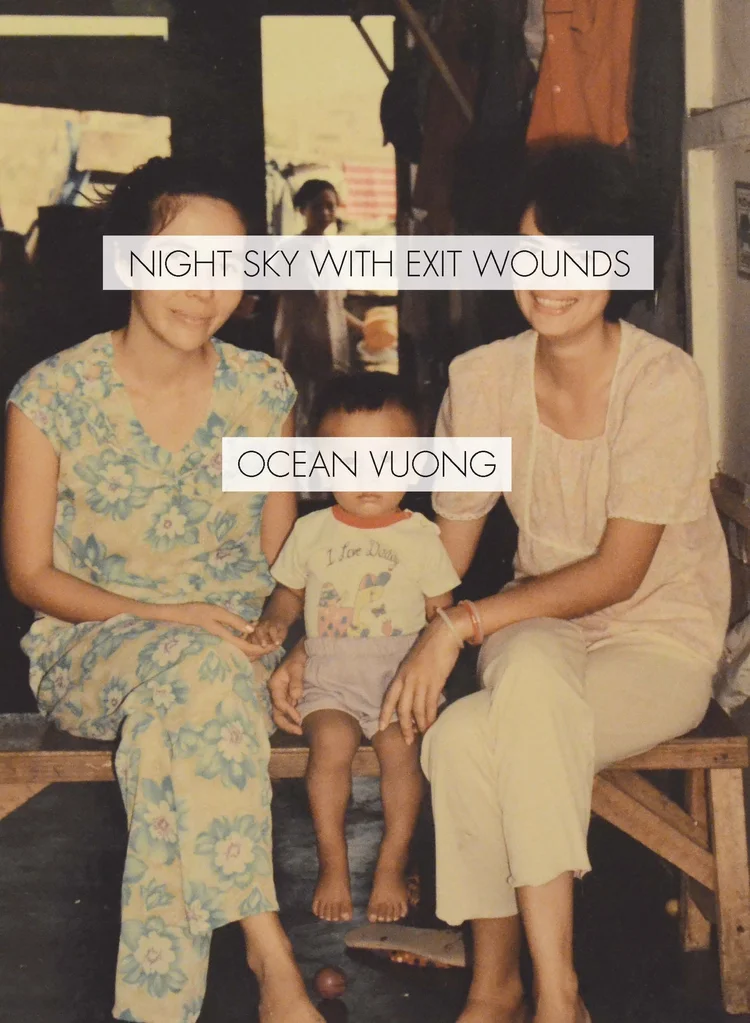
The importance of being seen and heard is crucial to understanding Vuong’s work, which is deeply influenced by his family, in particular his mother, who, as an illiterate immigrant working in a Connecticut nail salon, was often overlooked to the point of invisibility. Vuong himself grew up invisible—a poor, gay kid who struggled to read and worked for lousy pay at Panera and Boston Market. He eventually made his way to college and then to writing, which would become the ticket to visibility for him, his family, and other disaffected people in his life. His first tribute to them was 2016’s Night Sky with Exit Wounds, a haunting exploration of difficult topics, including poverty, depression, sexuality, and the trauma inflicted on Vuong’s family during and after the Vietnam War. It won the Whiting Award for Poetry and was only the second debut collection to win the T.S. Eliot Prize. His next book, On Earth We’re Briefly Gorgeous, is a semi-autobigraphical novel written as a letter from a son to his mother who cannot read. It’s a shattering story of family, first love, and what it means to be an American who was born somewhere else. It won the American Book Award, the Mark Twain American Voice in Literature Award, and the New England Book Award and was a finalist for the National Book Award. Vuong was also the youngest person that year to be awarded a MacArthur “genius” grant. He called the honor a collective win shared by the people in his life. “No one celebrates themselves alone,” he said. “It’s never one person in the spotlight, even if you get an award.”
|